



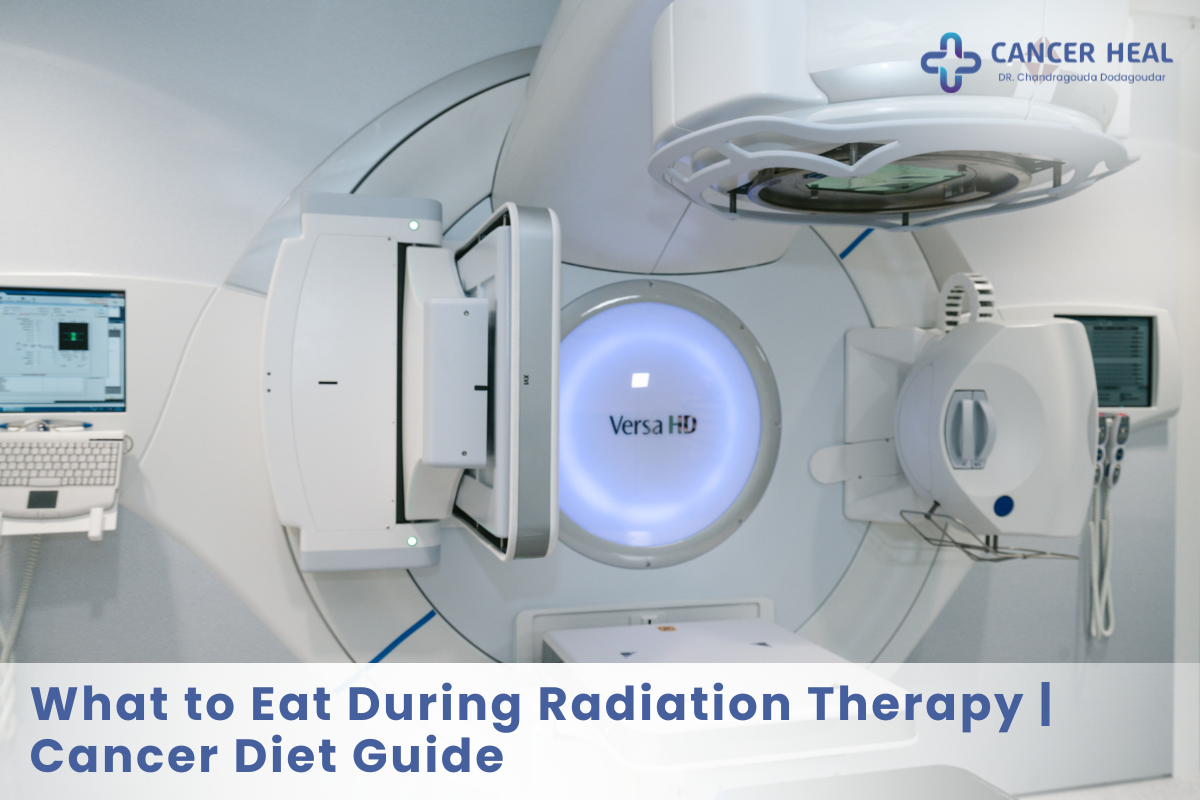
Knowing what to eat during radiation therapy can help cancer patients maintain strength, energy, and nutritional health throughout treatment. Radiation therapy is an important cancer treatment, but depending on the area being treated, it may cause side effects such as nausea, mouth sores, dry mouth, taste changes, difficulty swallowing, diarrhea, or reduced appetite. These problems can make eating difficult and may lead to weight and muscle loss.
There is no single radiation therapy diet that works for every patient. Your nutritional needs depend on the type of cancer, the part of the body receiving radiation, your overall health, and the side effects you experience. In general, cancer patients need adequate calories, protein, fluids, vitamins, and minerals to help maintain strength during treatment. A registered dietitian can provide personalized nutrition advice when needed.
Why Is Nutrition Important During Radiation Therapy?
Good nutrition during cancer treatment is important because your body needs energy and nutrients to maintain muscle, support normal body functions, and recover from treatment-related effects. Radiation therapy can sometimes make eating difficult, particularly when the head, neck, chest, abdomen, or pelvis is being treated.
Adequate nutrition may help you maintain your weight, energy, and ability to tolerate treatment. If you are losing weight unintentionally or struggling to eat, tell your cancer care team rather than waiting until the problem becomes severe.
What Foods Should You Eat During Radiation Therapy?
1. Choose Protein-Rich Foods
Protein supports tissue repair and helps maintain muscle. Include a source of protein in meals and snacks whenever possible.
Good options include:
- Eggs
- Milk, curd, and yogurt
- Paneer
- Dal and lentils
- Beans and peas
- Soy and tofu
- Fish and poultry, if suitable for you
- Nuts and nut butters
Cancer patients may sometimes need more protein than usual, particularly when treatment or other factors make it difficult to maintain muscle and weight.
2. Eat Enough Calories and Energy-Giving Foods
If you are losing weight or have a poor appetite, eating enough calories becomes especially important. Instead of forcing yourself to eat three large meals, try smaller meals and snacks throughout the day.
Nutrient-dense choices may include:
- Oats and porridge
- Rice or soft cooked grains
- Potatoes
- Bananas
- Nut butters
- Dairy products
- Smoothies, when appropriate
- Healthy oils and fats
Your doctor or dietitian may recommend higher-calorie foods if you are underweight or losing weight during treatment.
3. Stay Well Hydrated
Adequate fluids are important during cancer treatment. Water is a simple choice, but other suitable fluids may also contribute to hydration, depending on your medical condition.
You can include:
- Water
- Coconut water, if appropriate
- Soups and broths
- Milk
- Smoothies
- Other non-caffeinated fluids
If vomiting or diarrhea is present, your fluid and electrolyte needs may increase. Speak with your healthcare team about the best hydration plan for you.
What to Eat for Common Radiation Therapy Side Effects
The best diet during radiation therapy can change according to the treatment area and side effects.
If You Have Mouth Sores or Difficulty Swallowing
Radiation involving the head and neck can cause mouth soreness, dry mouth, taste changes, and swallowing difficulties. Soft, moist foods may be easier to tolerate.
Consider foods such as:
- Soft-cooked rice or khichdi
- Dal
- Curd or yogurt
- Porridge
- Soft eggs
- Mashed vegetables
- Smooth soups
Avoid foods that are very spicy, acidic, rough, or extremely hot if they irritate your mouth or throat. Head-and-neck radiation can significantly affect eating and swallowing, so persistent difficulty should be discussed with your treatment team.
If You Have Nausea
Try smaller meals and eat slowly. Bland foods such as toast, crackers, rice, or other easily tolerated foods may be helpful for some patients. Your oncology team can also recommend medicines to control treatment-related nausea when necessary.
If You Have Diarrhea
Radiation to the abdomen or pelvis can sometimes cause diarrhea. Your doctor may recommend temporary dietary changes based on the severity and cause of your symptoms. Small, frequent meals and lower-fiber foods may be recommended in some cases. Avoid foods that clearly worsen your symptoms and maintain adequate fluids.
If You Have Loss of Appetite
Do not wait until you feel very hungry. Eat small portions at regular intervals and choose foods that provide protein and calories. If poor appetite continues or your weight is falling, speak to your oncology team or a registered dietitian.
Foods and Supplements to Be Careful About
Patients sometimes consider high-dose vitamins, antioxidants, herbal products, or other supplements during cancer treatment. However, supplements are not automatically safe just because they are natural.
Some high-dose vitamins and minerals may interfere with cancer treatment, including radiation therapy. Always discuss supplements, herbal remedies, or special cancer diets with your oncologist before starting them.
It is also important to avoid unproven diets that promise to starve cancer or cure cancer through food alone. Nutrition should support your medical treatment, not replace evidence-based cancer care.
Practical Nutrition Tips for Cancer Patients in Delhi NCR
For patients receiving radiation therapy in Delhi NCR, everyday meals can still be simple and familiar. Depending on individual tolerance, options such as dal, khichdi, curd, paneer, eggs, soft vegetables, rice, roti, fruits, soups, and other protein-rich foods can be incorporated into a balanced diet.
The key is not a particular cancer-fighting food. The priority is getting enough protein, calories, fluids, vitamins, and minerals while managing treatment-related symptoms. Your nutritional plan should be adjusted to your cancer type, treatment area, medical conditions, and treatment side effects.
Frequently Asked Questions
1. What should I eat during radiation therapy?
A balanced diet containing adequate protein, calories, fluids, vegetables, fruits, and other nutrient-rich foods is generally recommended. Your exact diet should be adjusted according to your cancer treatment and side effects.
2. Can I eat fruits during radiation therapy?
Yes, fruits can be part of a healthy diet for many cancer patients. Choose fruits that you tolerate well. If you have diarrhea, mouth sores, or swallowing problems, your doctor or dietitian may recommend specific fruits or preparation methods.
3. What foods should I avoid during radiation therapy?
There is no universal list of foods that every radiation patient must avoid. However, very spicy, acidic, rough, or irritating foods may need to be limited if they worsen mouth or throat symptoms. Dietary restrictions may also be needed for diarrhea or other treatment-related problems.
4. Can I take vitamins or supplements during radiation therapy?
Do not start high-dose vitamins, antioxidants, herbal products, or other supplements without discussing them with your oncologist. Some supplements may interfere with cancer treatment.
5. What should I eat if I lose weight during radiation therapy?
Focus on small, frequent meals and protein- and calorie-rich foods that you can tolerate. If weight loss continues, your cancer team may recommend nutritional supplements or referral to a registered dietitian.
6. Do I need a special diet for radiation therapy?
Not necessarily. The appropriate diet depends on the cancer being treated, the radiation treatment area, your health, and your side effects. Some patients need specific dietary changes, while others can continue a balanced diet.
When Should You Talk to Your Cancer Specialist?
Contact your cancer care team if you have persistent vomiting, significant diarrhea, difficulty swallowing, severe mouth or throat pain, dehydration, or unexplained weight loss. These symptoms can affect your nutrition and may require medical treatment or a personalized nutrition plan.
Consult Dr. Deepika Chauhan for Personalized Cancer Care
Nutrition is an important part of supportive cancer care, but it should be planned alongside your overall cancer treatment. Dr. Deepika Chauhan, with 17+ years of experience, can help patients understand their treatment options and address concerns related to cancer treatment and supportive care.
If you or a loved one is undergoing radiation therapy, consult your cancer specialist before making major dietary changes or starting supplements. Personalized medical and nutritional guidance can help you approach treatment safely and confidently.
