



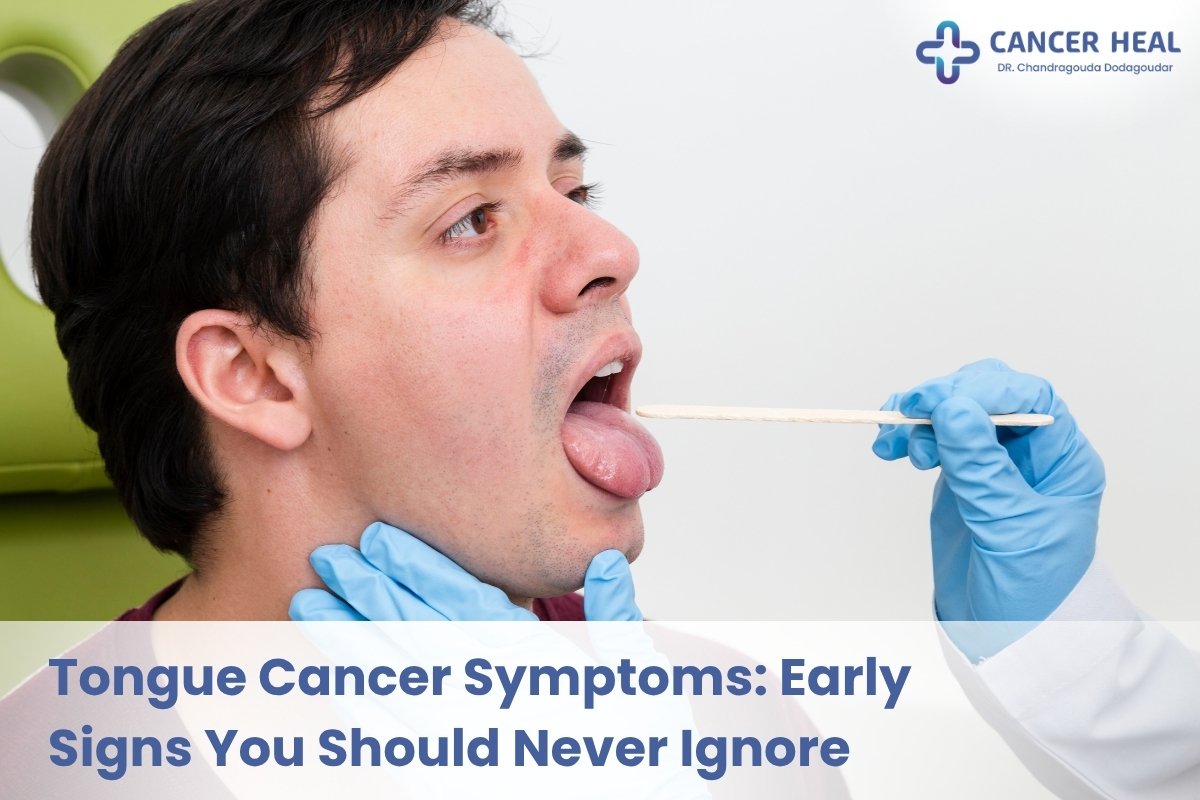
When it comes to oral health, most people think about cavities, bleeding gums, or bad breath. But one condition that often gets overlooked- yet deserves serious attention- is tongue cancer. Although it may not be as commonly discussed as other cancers, it is rising in cases worldwide and can affect anyone, regardless of age or lifestyle. The good news is that early detection significantly increases the chances of successful treatment. That’s why understanding the symptoms is so important.
The key symptoms of tongue cancer, what they feel like, when to worry, and why early diagnosis can make all the difference.
1. Persistent Tongue Pain
One of the earliest and most common signs of tongue cancer is pain that doesn’t go away. This pain may feel like a burning sensation or a stubborn sore spot on your tongue. While occasional tongue discomfort can happen if you accidentally bite your tongue or eat something too spicy, cancer-related pain stays for weeks or even months.
Many people ignore this symptom because the pain might be mild at first. But if you notice unexplained tongue pain lasting longer than 2 weeks, it’s important to get it checked.
2. A Non-Healing Ulcer or Sore
A small ulcer or sore on the tongue that doesn’t heal is a major red flag. Normally, mouth ulcers heal within 7-10 days. But cancer-related sores tend to:
- Stay for a long time
- Bleed occasionally
- Have raised or irregular edges
- Become more painful over time
This is one of the symptoms doctors consider most seriously, especially when it appears on the sides of the tongue, which is a common spot for oral cancers.
3. A Lump or Thickening in the Tongue
Another tell-tale sign is the development of a lump, bump, or thick area on the tongue. You may notice this while brushing your teeth, eating, or running your tongue across your teeth. These growths often feel firm and don’t go away on their own.
While not every lump is cancer – some can be cysts or benign growths—it’s still important to get it evaluated, particularly if the lump is growing or painful.
4. Difficulty Swallowing or Speaking
Because the tongue plays a major role in swallowing and speech, tongue cancer can affect these functions. You might experience:
- A feeling that something is stuck in your throat
- Pain while swallowing
- Slurring of speech
- Trouble moving your tongue freely
These symptoms often appear in later stages, but in some cases, they may show up early depending on where the tumor is located.
5. Red or White Patches on the Tongue
Red patches and white patches in the mouth are often harmless, but when they persist, they may be precancerous or early signs of cancer. These patches might feel slightly rough, raised, or simply flat and painless. The key thing to watch for is duration – if they last more than two weeks, they need to be examined by a dentist or doctor.
6. Bleeding Without Reason
Occasional tongue bleeding from biting or brushing too hard is normal. But if your tongue bleeds spontaneously without injury, it could indicate a deeper issue. Cancerous lesions tend to be fragile, so they bleed more easily.
Unexplained bleeding, especially accompanied by other symptoms, should always be taken seriously.
7. Numbness in the Mouth or Tongue
Tongue cancer can sometimes affect nerves in the oral region, leading to a strange feeling of numbness. Some people describe it as:
- Tingling
- Pins and needles
- Loss of sensation in part of the tongue
Numbness is often overlooked because it doesn’t hurt, but it can be an early sign that something isn’t right.
8. Bad Breath That Doesn’t Improve
Persistent bad breath (halitosis) is another overlooked symptom. Tumors can cause infections or necrotic tissue, which results in a foul smell that mouthwash or brushing won’t fix. If your bad breath is new, persistent, and accompanied by other symptoms, it’s worth discussing with a medical professional.
9. Ear Pain on One Side
Strangely, tongue cancer can sometimes cause ear pain, even when the ear itself is perfectly fine. This happens because nerves in the tongue and ear are connected. If you feel pain in one ear that doesn’t match typical ear infection symptoms, and especially if it occurs along with tongue issues, it may be related.
What Causes Tongue Cancer?
Understanding the symptoms is important, but knowing the risk factors helps with prevention. Common causes include:
- Tobacco use (smoking and chewing)
- Excessive alcohol consumption
- HPV infection (Human Papillomavirus)
- Poor oral hygiene
- Weak immune system
- Family history of oral cancers
However, many people diagnosed with tongue cancer do not have any clear risk factors, which makes awareness even more important.
Final Thoughts
Your tongue is one of the most sensitive and important parts of your body, yet we often ignore the signs it gives us. Paying attention to changes – whether it’s pain, patches, lumps, or difficulty swallowing – can make a huge difference in early cancer detection.
If anything feels unusual, persistent, or worsening, trust your instincts and get it evaluated. Awareness, regular dental checkups, and a proactive approach to oral health can protect you in the long run.
