



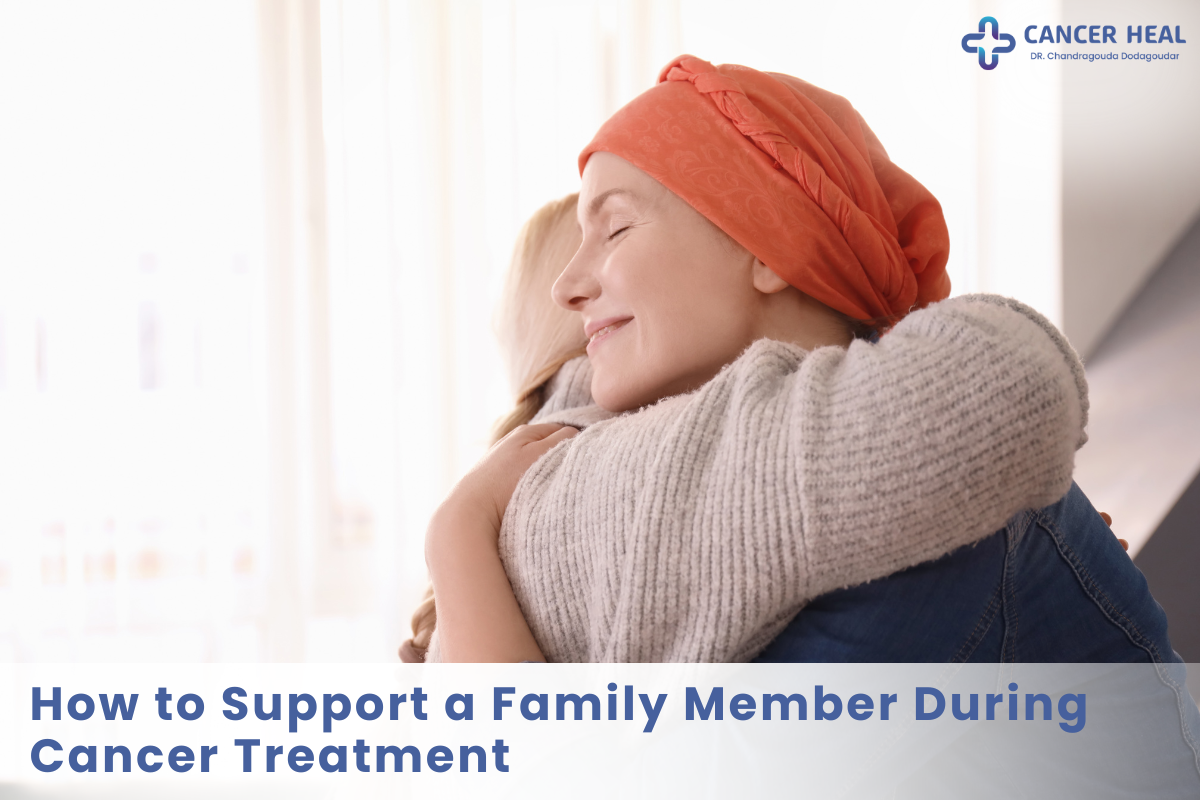
Cancer treatment is really tough not for the person with cancer but also for their family and friends. When someone you love is diagnosed with cancer you might feel overwhelmed. Not know how to help. If you understand how to support them during cancer treatment it can make a big difference in how they feel and how well they recover.
Family members often become caregivers when someone they love is getting cancer treatment. This can mean doing things like taking them to doctors appointments giving them support and helping with daily tasks. Whether the person with cancer is getting chemotherapy, radiation therapy or surgery your support can help them feel less alone and more confident.
This guide is here to help you learn how to support someone with cancer. You will get advice and tips from experts on how to help your loved one get through cancer treatment with kindness and confidence. By learning how to help someone with cancer you can improve their life. Also take care of your own emotional health.
Why Family Support Matters During Cancer Treatment
Cancer treatment affects every part of a persons life. People with cancer often feel:
- Tired
- Pain or discomfort
- Stressed and worried
- Anxious or depressed
- Changes in how hungry they’re
- Worried about money
- Scared about what will happen
If family members give strong support during cancer treatment it can help reduce stress make sure the person gets their treatment and make them feel better emotionally. Studies show that people with cancer who have a support system can handle the challenges of treatment better.
Understanding What The Person With Cancer Needs
Before you can support someone with cancer you need to understand that everyones experience with cancer is different.
The Person With Cancer May Need Help With:
- Getting to doctors appointments
- Taking their medicine
- Cooking meals
- Doing chores around the house
- Taking care of themselves when they are recovering
Emotional Support
people with cancer feel:
- Scared about what will happen with their treatment
- Worried about side effects
- Isolated
- Moody
It is just as important to give support to someone with cancer as it is to help them with physical things.
Practical Ways To Help Someone With Cancer
1. Go To Doctors Appointments With Them
Going to doctors appointments with your loved one can help by:
- Taking notes when the doctor talks
- Asking questions for them
- Helping them remember what the doctor said
- Giving them emotional support
People with cancer often feel more confident when someone they trust is with them.
2. Help With Daily Tasks
Cancer treatment can make people very tired.
You can help by:
- Buying groceries
- Cooking meals
- Doing laundry
- Cleaning the house
- Taking care of kids
- Paying bills
small tasks can reduce their stress a lot.
3. Learn About Their Cancer
Learning about the type of cancer your loved one has and their treatment plan can help you support them better.
You can learn about:
- What treatment options are available
- What side effects to expect
- How long it will take to recover
- What to watch for that might need help
This helps caregivers make good decisions.
Emotional Support For People With Cancer
Listen To Them Without Judging
people with cancer just need someone to listen to them.
Do not:
- Give them advice they did not ask for
- Make them feel like their feelings are not important
- Always say “stay positive”
Instead say:
- “I am here for you”
- “How are you feeling today?”
- “Do you want to talk about it?”
Listening to them helps build trust and makes them feel comfortable.
Encourage Them To Talk Openly
Make a space where your loved one feels okay talking about:
- Their fears
- Their worries
- What they are going through with treatment
- Their plans for the future
When they can talk openly they feel less alone.
Respect Their Independence
While support is important do not take over their life.
Let them:
- Make their decisions
- Do things on their own when they can
- Feel like they are in control
This helps them feel more confident and strong emotionally.
Dealing With Cancer Treatment Side Effects
Different treatments have different side effects.
Dealing With Fatigue
Feeling tired is one of the most common side effects.
You can help by:
- Encouraging them to rest
- Helping with chores
- Getting them to do some exercise if the doctor says it is okay
Helping With Nutrition
Treatment can affect how hungry they are and how food tastes.
You can help by:
- Giving them meals often
- Giving them food that’s high in protein
- Making sure they drink a lot of fluids
- Giving them food that’s easy to digest
If they need it get help from a nutritionist.
Helping With Emotional Changes
People with cancer might feel:
- Moody
- Anxious
- Depressed
You can help by:
- Getting them counseling
- Helping them find support groups
- Teaching them relaxation techniques
- Helping them with meditation and mindfulness
Being A Cancer Caregiver
Being a caregiver means you have a lot of responsibilities.
You might have to:
- Help with things
- Help with physical things
- Give emotional support
It takes patience and organization to do all these things.
Supporting Someone During Radiation Therapy
People getting radiation therapy might feel:
- Skin irritation
- Tired
- Discomfort in one area
You can help by:
- Helping them take care of their skin
- Making sure they drink water
- Helping them get to appointments
- Helping them rest and recover
Following the doctors advice carefully can make treatment better and more comfortable.
Taking Care Of Yourself As A Caregiver
It is common for caregivers to get burned out.
Signs of burnout are:
- Feeling very tired all the time
- Being irritable
- Having trouble sleeping
- Feeling anxious
- Feeling
Tips For Taking Care Of Yourself
- Get enough sleep
- Eat healthy food
- Exercise regularly
- Let others help you
- Join a support group for caregivers
- Take breaks when you can
Remember, taking care of yourself helps you take care of your loved one.
Building A Strong Support Network
No one should have to take care of someone with cancer.
You can get help from:
- Family members
- Friends
- Doctors and nurses
- Counselors
- Support groups
Sharing responsibilities can reduce stress. Make care better.
When To Get Professional Help
Call the doctor if your loved one has:
- Bad pain
- A high fever
- Trouble breathing
- Extreme tiredness
- Emotional distress
- Bad side effects from treatment
Getting help early can prevent problems.
Final Thoughts
Supporting someone with cancer is hard. It is also very meaningful. By understanding what they need physically and emotionally giving help and talking openly families can make a big difference in the persons life. Supporting someone with cancer not helps them get through tough times but it also makes their relationship stronger and more resilient.
Every kind thing you do can make a difference in their cancer journey.
FAQs
1. How can I support someone with cancer emotionally?
Listen to them give them encouragement respect their feelings and be there for them when things are tough. Emotional support is crucial for their well-being.
2. What are the important things for a cancer caregiver to do?
Key things include managing appointments helping with tasks watching for symptoms giving emotional support and talking to doctors and nurses.
3. How can I help someone with cancer deal with side effects?
Help them manage symptoms make sure they eat and drink well get rest and tell the doctor if they have any concerning symptoms.
4. What should I not say to someone with cancer?
Do not say things like “everything will be fine” or “just stay positive.” Instead acknowledge their feelings. Give them real support.
5. How can families reduce stress during cancer treatment?
Talk openly share responsibilities get help when needed and focus on practical solutions.
6. Can caregivers get burned out?
Yes caregivers can get physically and emotionally exhausted. Taking care of yourself. Getting support can help prevent burnout.
Consult Dr. Deepika Chauhan – 17+ Years of Experience
If you or your loved one is getting cancer treatment and needs expert guidance, Personalized Care and Advanced Treatment options talk to Dr. Deepika Chauhan, an experienced Radiation Oncologist with 17+ years of experience, in cancer care.
Why Consult Dr. Deepika Chauhan?
Dr. Deepika Chauhan is committed to giving evidence-based treatment and helping patients and families make informed decisions throughout their cancer journey.
Book Your Appointment Today
Book your appointment today to get cancer care and support tailored to your needs.
