



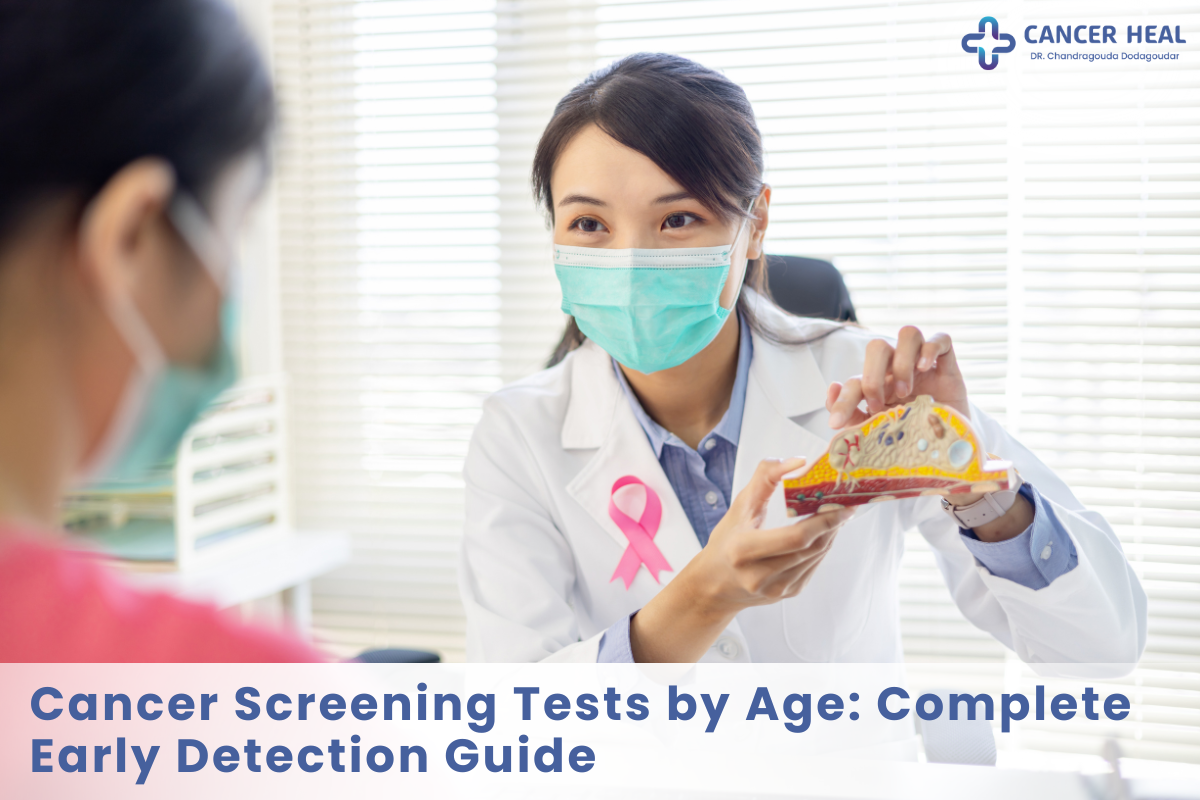
Proactive health monitoring remains the most powerful defense against late-stage chronic conditions. Understanding cancer screening tests by age helps individuals identify precancerous cellular changes and early-stage malignancies long before physical symptoms ever develop. Globally, and specifically looking at rising Cancer Cases in India, timely clinical evaluations have become essential across every stage of adulthood. The overall Cancer Incidence in India continues to grow due to changing lifestyles and delayed diagnosis, directly impacting the Cancer Death Rate in India. Following an age wise cancer screening guide empowers patients to schedule essential diagnostic evaluations at the exact milestones when statistical risk levels begin to rise. In this comprehensive article, you will discover the recommended cancer tests by age, why mid-life testing matters, and how early detection transforms long-term treatment outcomes.
What Are Cancer Screening Tests by Age?
Cancer screening tests by age are age-specific medical check-ups designed to identify precancerous changes or early-stage tumors in individuals showing no outward signs of illness. By aligning targeted diagnostic tools with age-based biological risk profiles, these routine evaluations enable prompt medical intervention, preserve healthy organ function, and dramatically improve overall survival rates.
As human bodies mature, cumulative cellular exposure, environmental factors, and natural genetic mutations elevate the likelihood of specific cancers developing. Preventive diagnostic testing does not wait for warning signs such as chronic pain, unexplainable weight loss, or tangible lumps to appear. Instead, healthcare providers apply evidence-based age thresholds to determine when the clinical benefits of diagnostic tests far outweigh any minor procedural discomfort.
Understanding Cancer Screening Tests by Age
Key Diagnostic Products & Screening Vouchers:
-
Cervical Screening Test Kits (Pap & HPV DNA Kits): Cytological sampling tools and high-risk HPV detection cassettes designed to find abnormal cervical cells early.
-
Digital Mammography Diagnostics: Low-dose digital X-ray technology engineered to detect deep breast tissue lesions before they can be felt.
-
Colorectal Screening Products (FIT Cassettes & Colonoscopy Vouchers): Non-invasive stool immunochemical cassettes and visual scopes that locate colon polyps before they turn malignant.
-
Low-Dose CT (LDCT) Imaging Packages: High-resolution chest imaging protocols designed specifically for high-risk individuals with heavy smoking histories.
-
Prostate-Specific Antigen (PSA) Blood Kits: Laboratory immunoassay kits used to evaluate prostate protein levels in circulating blood.
Why Are Cancer Screening Tests by Age Important?
Reviewing Cancer Facts in India shows that over 70% of patients are diagnosed at advanced stages, severely limiting curative options. The Most Common Cancers in India—such as breast, cervical, oral, and colorectal cancers—respond exceptionally well to treatment when caught during early, asymptomatic stages. Adhering to structured preventive cancer screening guidelines provides vital benefits across multiple areas:
-
User Health Benefits: Early detection allows for localized therapies, shorter recovery timelines, and higher overall cure potential.
-
Healthcare System Value: Routine preventive testing lowers healthcare expenditures by reducing the need for emergency surgical admissions and prolonged late-stage therapies.
-
Practical Relevance: Understanding age-based screening benchmarks removes confusion, making it easy for patients to plan annual check-ups.
-
Modern Medical Importance: Contemporary medicine continues shifting from reactive disease management toward proactive, individualized early detection.
How Do Cancer Screening Tests by Age Work?
Step 1: Health History Review and Risk Stratification
Consult a healthcare professional to review personal medical history, family cancer occurrences, and daily lifestyle factors. This initial consultation determines whether you follow standard population guidelines or an accelerated, high-risk testing protocol.
Step 2: Milestone-Based Diagnostic Scheduling
Schedule specific early cancer detection tests as you reach key age thresholds. For instance, cervical screening starts at age 21, routine breast and colon evaluations begin between 40 and 45, and annual lung scans start at 50 for qualifying individuals.
Step 3: Result Analysis and Medical Follow-Up
Receive pathology or imaging reports from accredited diagnostic facilities. If benign polyps or cellular changes are detected, early treatment or monitoring is scheduled to prevent malignant progression.
Benefits of Preventive Cancer Screening Guidelines
-
Early-Stage Malignancy Identification
-
What it is: Detecting localized abnormal growths before they spread to nearby lymph nodes or organs.
-
Why it matters: Cancers caught early respond far better to targeted surgical or medical treatments.
-
Expected outcome: Markedly improved long-term survival metrics and reduced risk of disease recurrence.
-
-
Less Invasive Treatment Protocols
-
What it is: Treating early lesions with minor outpatient procedures rather than broad systemic chemotherapy.
-
Why it matters: Preserves healthy organ function and protects patient physical well-being throughout recovery.
-
Expected outcome: Faster return to daily work and personal routines with minimal side effects.
-
-
Lower Healthcare Costs
-
What it is: Utilizing budget-friendly outpatient screening tests instead of managing late-stage medical crises.
-
Why it matters: Advanced oncological therapies and prolonged hospital stays create severe financial strain.
-
Expected outcome: Manageable, predictable healthcare costs over a lifetime.
-
Challenges and Common Mistakes
-
Challenge 1: Postponing Tests Due to Feeling Healthy
-
Problem: Skipping routine evaluations because no pain or visible symptoms are present.
-
Cause: Assuming early cancer always causes noticeable physical changes.
-
Solution: Recognize that early cellular abnormalities are usually silent, making periodic screening essential.
-
-
Challenge 2: Procedure Anxiety and Fear of Results
-
Problem: Avoiding tests like colonoscopies or mammograms due to fear of discomfort or diagnosis.
-
Cause: Misinformation about procedural pain or emotional anxiety regarding positive findings.
-
Solution: Discuss gentle screening options, such as at-home stool FIT test kits or mild sedation procedures, with your doctor.
-
-
Challenge 3: Failing to Track Testing Intervals
-
Problem: Getting tested once and neglecting required follow-up exams years later.
-
Cause: Lack of personal health tracking or believing a single clear result offers permanent protection.
-
Solution: Maintain personal digital health records and set recurring alerts based on physician recommendations.
-
Best Practices and Expert Tips for Age-Wise Screening
-
Begin cervical health checks with Pap tests at age 21, transitioning to HPV co-testing in your late 20s or 30s.
-
Prioritize cancer screening at 40 and 50, as risk rates for breast, colon, and prostate health increase significantly during these mid-life years.
-
Discuss annual mammograms starting at age 40 to establish baseline breast tissue density.
-
Start regular colorectal cancer screening at age 45 using non-invasive stool FIT cassettes or colonoscopy exams.
-
Request annual low-dose CT lung scans starting at age 50 if you have a 20-pack-year smoking history.
-
Complete a detailed family medical history tree to identify potential hereditary cancer syndromes.
-
Schedule screening visits at certified diagnostic centers using updated digital technology.
-
Remember that an abnormal screening result often points to benign cysts or non-cancerous polyps, not necessarily invasive disease.
-
Combine routine diagnostic check-ups with daily wellness habits like balanced nutrition and physical activity.
Comparison Table: Recommended Screening Guidelines by Age
| Age Bracket | Recommended Diagnostic Tests | Target Cancer Types | Suggested Screening Frequency |
| 20s – 30s | Pap Smear, HPV DNA Test, Clinical Exams | Cervical Cancer, Skin/Oral checks | Pap test every 3 years (21–29); Primary HPV or co-test every 5 years (30+) |
| 40s | Digital Mammography, Colorectal Screening, Cervical checks | Breast Cancer, Colorectal Cancer, Cervical Cancer | Mammograms annually/biennially starting at 40; Colorectal checks starting at 45 |
| 50s – 65 | Colonoscopy, Stool FIT Kits, Mammogram, PSA Blood Test, LDCT | Colorectal, Breast, Prostate, Lung Cancer | Colonoscopy every 10 years (or annual FIT); Annual LDCT for heavy smokers |
| 65+ | Customized checks based on doctor guidance | Breast, Colorectal, Lung, Prostate | Continue colorectal checks up to 75; tailor tests based on overall health |
FAQ
What are the main cancer screening tests by age for women?
Key tests for women include Pap/HPV tests starting at age 21, mammograms starting between ages 40 and 45, and colorectal checks beginning at age 45. Cervical evaluations catch abnormal cell changes early, digital mammograms identify deep breast tissue density shifts, and colonoscopies or stool FIT test kits locate precancerous polyps before they transform into invasive tumors.
Why is cancer screening at 40 and 50 so critical?
Cancer screening at 40 and 50 is critical because statistical incidence rates for breast, colorectal, lung, and prostate cancers rise sharply during these middle-age decades. As body tissues age, cumulative cellular mutations increase. Initiating structured mammograms, stool tests, colonoscopies, and PSA blood marker evaluations in your 40s and 50s catches silent cellular shifts when curative treatment is most successful.
How does an age wise cancer screening guide assist in disease prevention?
An age wise cancer screening guide outlines clear schedules for specific tests before symptoms start, enabling early intervention. By establishing clear timelines based on medical research, age guides eliminate confusion. They ensure patients receive age-appropriate evaluations—such as HPV DNA tests or low-dose CT scans—when risk factors begin to increase.
What early cancer detection tests should average-risk men prioritize?
Average-risk men should prioritize colorectal checks starting at age 45, discuss PSA blood tests around age 50, and get annual lung scans if they smoke heavily. Colorectal screening using stool FIT cassettes or colonoscopy identifies polyps early. PSA blood tests evaluate prostate tissue health, while annual low-dose CT scans assess lung health for current or former heavy smokers.
When should heavy smokers begin specialized lung cancer testing?
Adults aged 50 to 80 with a 20-pack-year smoking history should undergo an annual Low-Dose Computed Tomography (LDCT) scan. LDCT imaging provides detailed cross-sectional views of lung tissue using minimal radiation. Annual scans help specialists spot small nodules early, allowing surgeons to remove localized tumors long before symptoms like persistent coughing appear.
Do preventive cancer screening guidelines apply if I feel completely healthy?
Yes, preventive guidelines are specifically designed for healthy, asymptomatic individuals to catch hidden cellular changes. Screening aims to find precancerous lesions or early tumors before physical symptoms develop. Waiting for symptoms to appear often means diagnosing disease at a later, more advanced stage.
How frequently should colorectal cancer testing be repeated after starting at age 45?
Testing frequency depends on the method used: stool FIT test cassettes annually, or a visual colonoscopy every 10 years for average-risk individuals. Annual stool immunochemical tests detect hidden blood in digestive samples, while a full colonoscopy allows doctors to inspect the colon lining directly and remove precancerous polyps during the procedure.
What role does family history play in recommended cancer tests by age?
A strong family history of cancer may require starting screening 10 to 15 years earlier than standard public guidelines advise. Individuals with hereditary conditions or direct relatives diagnosed with early-onset cancers often follow specialized protocols, including early breast MRIs or frequent colonoscopies, guided by genetic counseling.
Key Takeaways
-
Following cancer screening tests by age catches silent cellular abnormalities before physical symptoms develop.
-
Diagnostic priorities change across life stages: cervical checks in your 20s give way to breast, colon, and prostate screening in your 40s and 50s.
-
Starting colorectal screening at age 45 offers critical protection against digestive tract malignancies.
-
Individuals with a family history of cancer should consult physicians for personalized, accelerated screening timelines.
-
Using accredited diagnostic centers equips your healthcare team with precise reports for confident decision-making.
Final Verdict
Proactive age-wise screening is one of the most effective health decisions an adult can make. While healthy lifestyle choices reduce overall risk, routine age-appropriate testing provides a reliable clinical safety net, offering peace of mind and substantially better health outcomes over a lifetime.
Conclusion
Understanding cancer screening tests by age empowers you to take charge of your personal health journey. By aligning your routine medical check-ups with established age guidelines, you can ensure potential health issues are identified and managed as early as possible. Consult your primary care physician today to establish your personal screening roadmap and schedule any recommended tests for your age bracket.
