



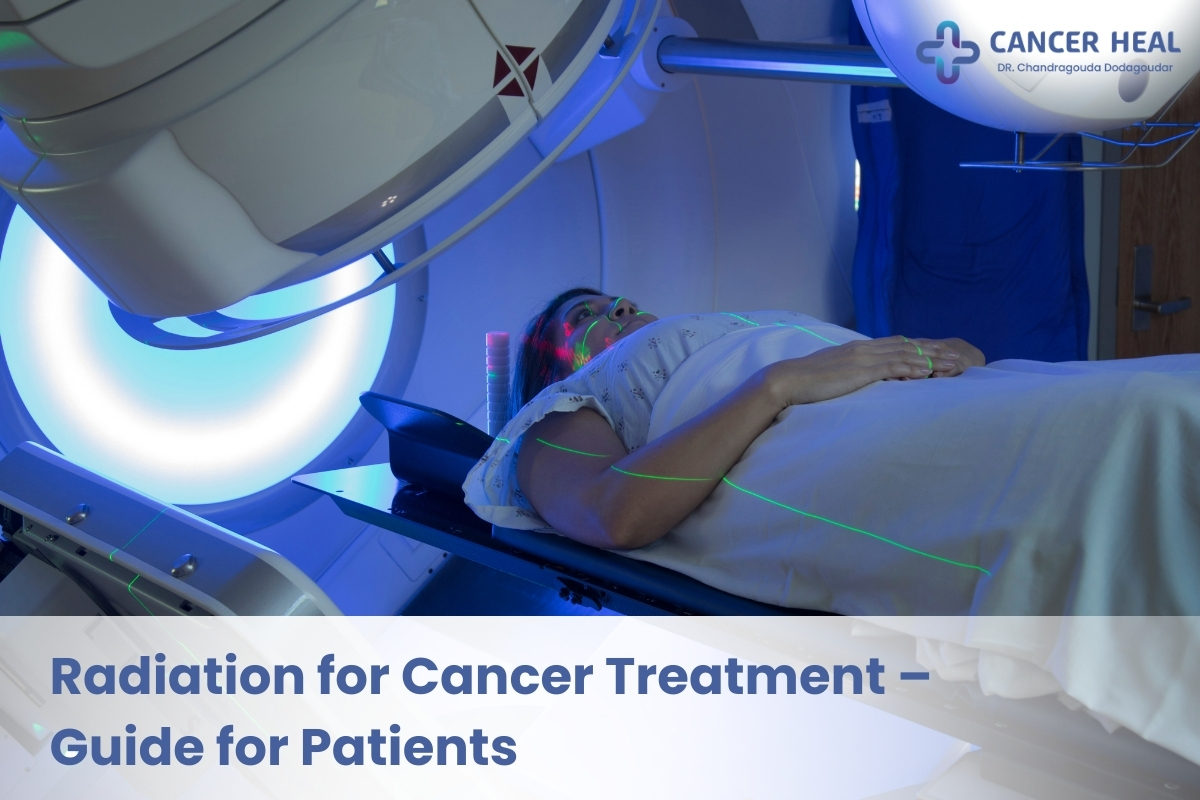
Radiation therapy is one of the most important tools in cancer care today. Often referred to as radiation for cancer treatment, it uses high energy rays to target and destroy cancer cells while minimizing damage to healthy tissue. For many patients in Delhi and the Delhi NCR region, radiation therapy plays a role in curing cancer, controlling symptoms, or improving quality of life. This article explains how radiation therapy works for cancer, who may require it, possible side effects, what to expect during treatment, and how supportive care helps patients and caregivers navigate the journey.
How Radiation Therapy Works for Cancer
Cancer cells grow and divide uncontrollably. Radiation therapy uses targeted energy to damage the DNA inside these cells so they can no longer grow or spread.
Types of Radiation Therapy
-
External Beam Radiation Therapy (EBRT):
Delivered from a machine outside the body, it precisely targets tumors using advanced imaging. Techniques like IMRT (Intensity Modulated Radiation Therapy) and IGRT (Image-Guided Radiation Therapy) allow oncologists to focus on the tumor while minimizing exposure to surrounding healthy tissue. -
Internal Radiation (Brachytherapy):
Radioactive sources are placed inside or near the tumor, often used for cervical, prostate, or head and neck cancers. -
Systemic Radiation Therapy:
Involves radioactive drugs taken orally or via intravenous infusion that circulate through the body to treat widespread cancers like thyroid cancer or bone metastases.
How It Targets Cancer Cells
-
Radiation damages the DNA inside cancer cells.
-
Multiple sessions, called fractions, allow healthy tissue to recover while maximizing tumor control.
-
The process is painless, outpatient-friendly, and can be combined with chemotherapy or surgery to improve outcomes.
Who Needs Radiation Therapy?
Radiation therapy may be recommended for different reasons depending on the cancer type and stage.
Common Situations for Radiation Therapy
-
To cure cancer when it is localized.
-
To shrink tumors before surgery.
-
To destroy remaining cancer after surgery.
-
To relieve pain or symptoms in advanced cancers.
Patient Examples
-
Early-stage cancers (breast, prostate, head and neck)
-
Tumors pressing on nerves
-
Brain metastases
-
Bone pain due to cancer spread
Doctors and radiation oncologists in Delhi NCR work together to create individualized plans based on imaging and overall health status.
What to Expect During Treatment
Radiation therapy is a planned process. Here’s what patients can typically expect:
Consultation and Planning
-
Review of medical history, prior treatments, and imaging.
-
Mapping the tumor using CT, MRI, or PET scans.
-
Creation of a customized radiation plan to determine the dose, duration, and frequency.
Treatment Sessions
-
Usually outpatient, daily sessions over several weeks.
-
Each session lasts only a few minutes.
-
Treatment is painless, patients lie on a table while a machine delivers radiation to precise locations.
Monitoring and Support
-
Weekly check-ups with your radiation oncologist.
-
Nurses monitor skin changes, fatigue, and overall health.
-
Caregivers play a key role in supporting transportation, nutrition, and emotional needs.
What Are the Side Effects of Radiation Therapy?
Radiation is generally safe, but side effects can occur depending on the treatment area and schedule.
Common Side Effects
-
Skin irritation: redness, dryness, mild itching
-
Fatigue: most patients feel more tired
-
Hair loss: only in treated areas
-
Nausea or loss of appetite (especially with abdominal or pelvic treatments)
Long-Term or Less Common Effects
-
Tissue scarring
-
Changes in organ function
-
Rare secondary effects years later
Doctors in Delhi NCR focus on supportive care to help manage side effects and improve comfort.
Radiation Therapy Safety and Myths
Radiation Does Not Make You Radioactive
You won’t emit radiation or be a danger to others.
Radiation Is Carefully Controlled
Modern machines shape the beam, limiting exposure to healthy tissue.
Radiation Works With Other Treatments
Radiation can complement immunotherapy, chemotherapy, and surgery.
Tips for Patients & Caregivers in Delhi/NCR
Before Treatment
-
Talk openly about your concerns
-
Arrange transportation for daily sessions
-
Keep a symptom journal
During Treatment
-
Eat a balanced diet
-
Stay hydrated
-
Practice light exercise if approved by your care team
After Treatment
-
Continue follow-ups
-
Watch for delayed side effects
-
Seek emotional support if needed
Hospitals and cancer centers in Delhi / Delhi NCR offer multidisciplinary teams to support patients and caregivers throughout the process.
FAQs
1. How does radiation therapy work for cancer?
Radiation damages cancer cell DNA, preventing tumor growth while sparing healthy tissue.
2. How long is each radiation therapy session?
Most sessions are 5–15 minutes, delivered daily over several weeks.
3. Is radiation therapy painful?
No. The procedure is painless. Side effects may cause discomfort but are manageable.
4. Can radiation cure cancer?
Yes, particularly in early-stage cancers or in combination with surgery or chemotherapy.
5. Can elderly patients safely undergo radiation therapy in Delhi?
Yes. Personalized plans and monitoring allow safe treatment for elderly patients.
6. How should patients prepare for their first radiation session?
Follow dietary instructions, wear comfortable clothing, and discuss medications with your doctor.
7. Can radiation therapy be combined with chemotherapy?
Yes. Combining treatments can improve outcomes in many cancers, and oncologists plan schedules carefully.
Final Thoughts
Radiation therapy is a trusted and powerful cancer treatment that helps many patients in Delhi and across India. Whether the goal is cure, control, or symptom relief, understanding how radiation works can ease anxiety and empower patients and caregivers.
Consult Dr. Chandragouda Dodagoudar – radiation oncology expert for personalized care, detailed treatment planning, and compassionate support throughout your cancer journey. Contact us today to get started.
Also Read:
Top Cancer Doctors in India (2026): Ranking the Best Specialists

Top Cancer Prevention Tips Backed by Doctors

Which Isotope Is Used for Cancer Treatment?
