



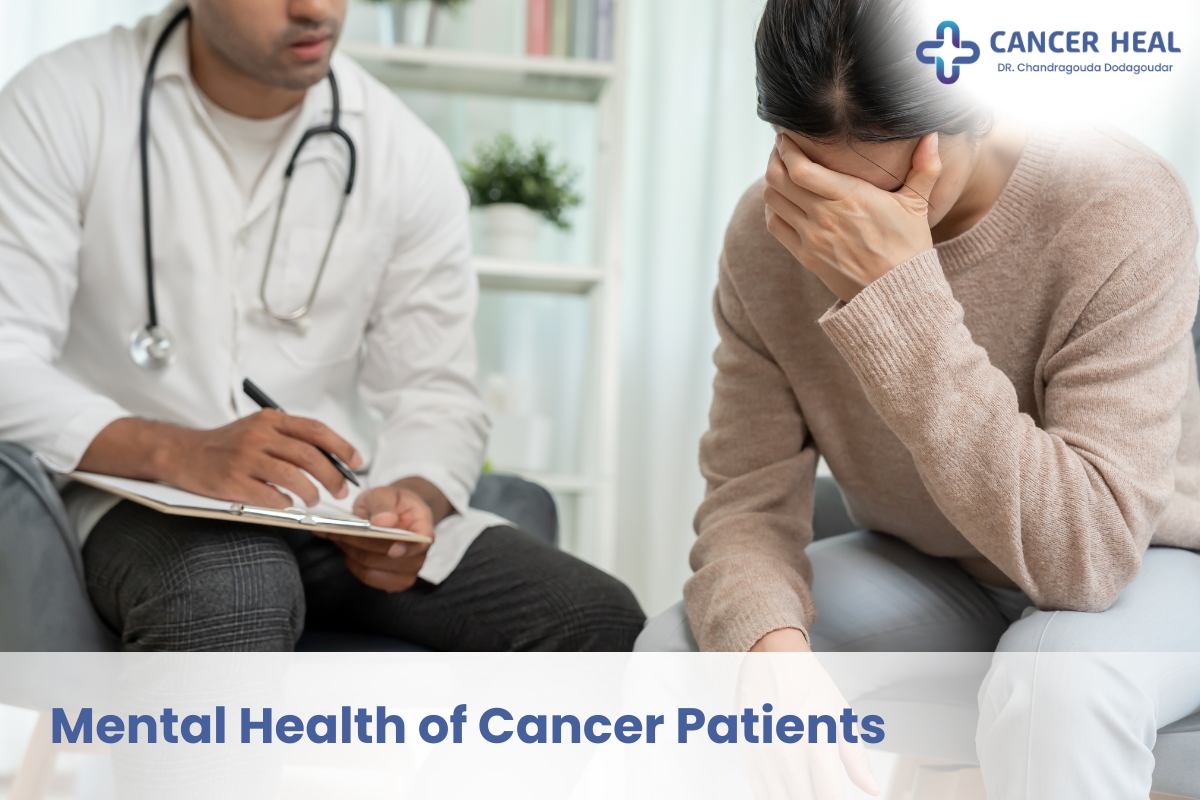
3. Depression and Emotional Exhaustion
Cancer treatment is long, tiring, and unpredictable. Physical weakness often brings emotional weakness too. Depression is common but not always visible.
Some signs include:
-
Losing interest in things once enjoyed
-
Feeling empty or hopeless
-
Crying often
-
Feeling like a burden
-
Withdrawing from people
-
Lack of energy even on good days
Depression does not mean the patient is weak. It means they are overwhelmed and that’s understandable. It is a heavy journey, and the weight of constant treatments, medicines, scans, and results can become mentally draining.
4. Body Image and Identity Changes
Chemotherapy, surgeries, and radiation can change the body. Hair loss, scars, weight changes, fatigue, or hormonal imbalances may affect how patients see themselves.
A person may feel:
-
“I don’t look like myself.
-
“My body betrayed me.
-
“People won’t see me the same way.
These emotional wounds take time to heal. Support, reassurance, and patience from family and society can help rebuild confidence.
5. Loneliness Even When Surrounded by People
Many cancer patients say they feel lonely even when they’re not alone. Loved ones try to help, but they may not fully understand what the patient is going through.
This can cause patients to hide their pain so others don’t worry. They smile during the day and cry at night. They stay strong for others but feel broken inside.
Being emotionally present not just physically makes a huge difference. Listening without judgment, without forcing positivity, is one of the best gifts one can offer.
6. The Role of Support Systems
Strong emotional support can improve both mental health and treatment outcomes. Support can come from:
-
Family
-
Friends
-
Counselors or psychologists
-
Support groups
-
Survivors communities
-
Nurses and doctors
-
Spiritual or religious leaders
Sometimes patients open up more easily to people outside their immediate family because they fear worrying their loved ones. This is where support groups and professional counselors become very helpful, they create a safe space to talk freely.
7. Mind-Body Connection in Healing
Research and patient experiences show that mental health deeply affects physical recovery. When the mind is supported, the body responds better.
Some activities that help:
-
Writing/journaling
-
Meditation and breathing exercises
-
Light physical activity (when approved by doctors)
-
Music therapy
-
Art therapy
-
Spending time in nature
-
Talking with someone who understands
These small practices soften the emotional burden and give patients moments of calm and control.
8. After Treatment: The Unexpected Emotions
Many people think mental stress ends when treatment ends. But for many patients, this is the start of a new emotional phase.
They may fear recurrence, feel lost without regular hospital visits, or struggle to “return to normal.” Survivors often say they feel grateful yet fearful, relieved yet anxious. It can be confusing.
This phase needs just as much care. Emotional healing continues long after physical treatment ends.
9. Why Mental Health Care Should Be Part of Cancer Care
Cancer treatment focuses heavily on the body, but mental health support is equally important. Emotional wellness impacts:
-
Treatment decisions
-
Immunity
-
Recovery speed
-
Ability to cope with side effects
-
Overall quality of life
Hospitals and cancer centers worldwide are slowly recognizing this and adding mental health care as part of their treatment plans. Still, awareness is essential not just among doctors, but families and communities too.
10. How We Can Support Cancer Patients Better
You don’t need big words or perfect advice. You just need kindness.
Here’s what truly helps:
-
Listen without interrupting.
-
Avoid forcing positivity like just be strong.
-
Ask what they need instead of assuming.
-
Respect their bad days.
-
Celebrate small wins.
-
Check in regularly, not only during treatment.
Sometimes the strongest support is simply reminding them:
You’re not alone.
Final Thoughts
Cancer changes lives in ways we cannot always see. Behind every treatment, every strong face, every brave smile, there is a heart dealing with fear, pain, hope, and courage. Mental health care is not optional for cancer patients; it is essential.
Healing is not just physical. It is emotional, mental, and spiritual. Understanding this makes us better caregivers, better friends, and better humans.
