



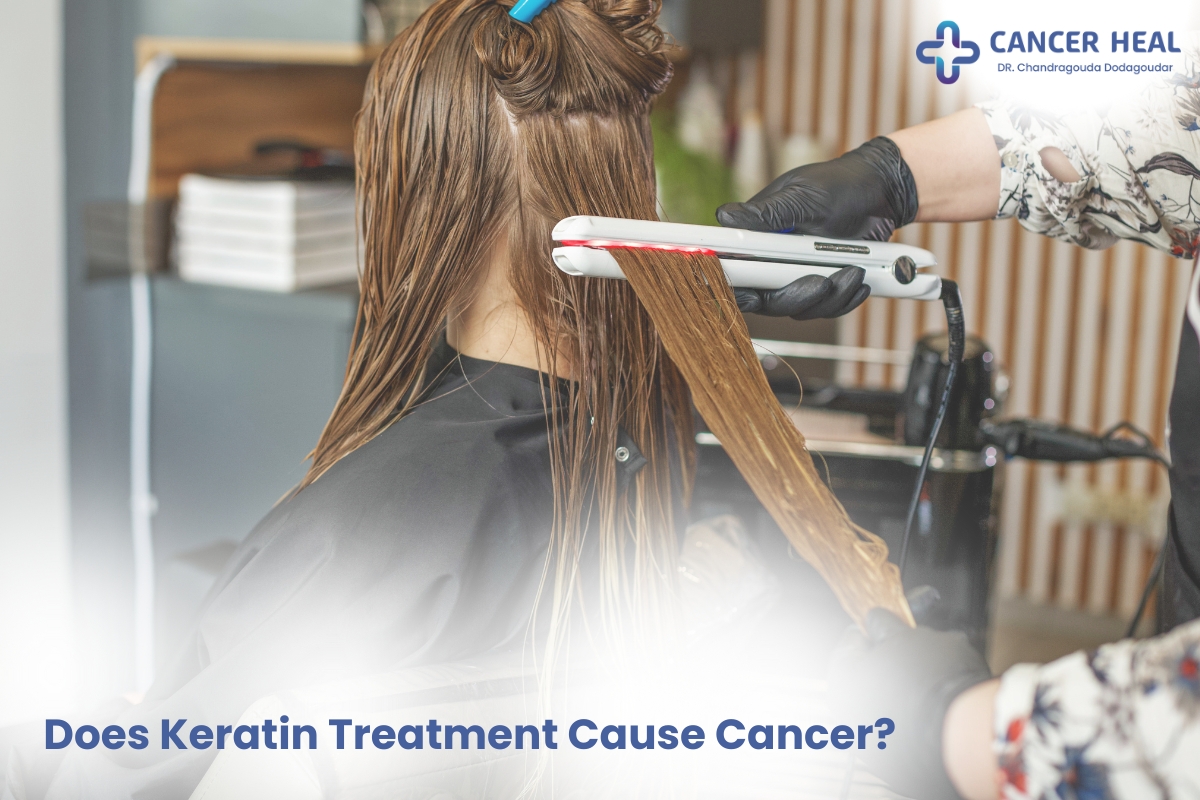
Keratin treatments have become incredibly popular for people who want smooth, shiny, straight hair with minimal effort. But as the beauty industry expanded, so did the concerns — especially one big question:
What Exactly Is a Keratin Treatment?
Keratin itself is a natural protein found in our hair, skin, and nails.
But the keratin treatment used in salons is more than just keratin — it includes chemicals that help straighten the hair.
Most keratin treatments use ingredients that release formaldehyde when heat is applied.
Formaldehyde is the main reason this treatment works so well… and the main reason people worry about health risks.
Where Does the Cancer Concern Come From?
The concern is not imaginary — it’s based on several studies and warnings:
1. Formaldehyde is a known carcinogen
Health agencies like:
-
IARC (International Agency for Research on Cancer)
-
WHO
-
U.S. National Toxicology Program
classify formaldehyde as a Group 1 Carcinogen, meaning it can cause cancer with enough exposure.
2. Heating the product releases harmful fumes
During keratin treatments, flat irons and blow dryers heat the product, releasing formaldehyde gas into the air — which is inhaled by:
-
the person getting the treatment
-
the hairstylist
-
anyone nearby
3. Studies link repeated chemical straightening to cancer risks
A widely cited National Institutes of Health (NIH) study found that women who frequently use chemical hair straighteners (including some keratin treatments) have higher risk of uterine cancer.
4. Hidden formaldehyde in “Formaldehyde-Free” products
Shockingly, many products labeled formaldehyde-free still contain:
-
methylene glycol
-
methanediol
-
or other chemicals that release formaldehyde when heated
This means even “safe” products may not actually be safe.
Read More: What lifestyle changes can reduce the risk of cancer?
So… Does That Mean Keratin Treatments Cause Cancer?
There is NO direct proof that keratin treatments always cause cancer.
BUT — There IS enough evidence to suggest potential long-term risk — especially with repeated exposure.
So it’s not a guaranteed danger, but it’s also not harmless.
Risk depends on:
-
how often you do the treatment
-
the product used
-
how much formaldehyde is released
-
salon ventilation
-
your personal health
Human Side: Real Experiences People Have Shared
Many clients and salon workers report issues during or after keratin treatments:
-
burning eyes
-
coughing
-
breathing difficulty
-
headaches
-
scalp irritation
-
hair loss
Salon workers — who are exposed to the fumes regularly — face even higher risk.
Some stylists have quit because of health problems linked to formaldehyde exposure.
These real experiences matter just as much as scientific studies.
Is There a Safe Way to Do Keratin Treatments?
Yes — safer, but not always fully risk-free.
Here’s how to minimize danger:
Ask the salon which product they use
Avoid anything containing:
-
formaldehyde
-
methylene glycol
-
methanediol
-
paraformaldehyde
-
aldehydes
Choose a salon with strong ventilation
Open windows, exhaust fans, air filters — all of these matter.
Limit how often you do the treatment
Avoid multiple sessions in a year.
Choose modern alternatives
Safer options include:
-
glyoxylic-acid based treatments
-
cysteine treatments
-
Botox hair treatment
(Note: these smooth the hair but may not straighten as intensely.)
If you are pregnant, asthmatic, or sensitive — do NOT do it.
Read More: Best Cancer Specialists/ Oncologists in Delhi
A Simple, Balanced Conclusion
Keratin treatments are not pure evil — but they’re also not as harmless as the beauty industry wants you to believe.
They may not directly cause cancer in every person,
but the chemicals involved — especially formaldehyde — are linked to cancer risk when exposure is high or repeated.
If you:
-
get it done occasionally
-
choose a safe salon
-
use products without harmful chemicals
…your risk becomes much lower.
The key is informed choice — knowing what you’re putting in your hair and whether it’s worth the potential risk.
