



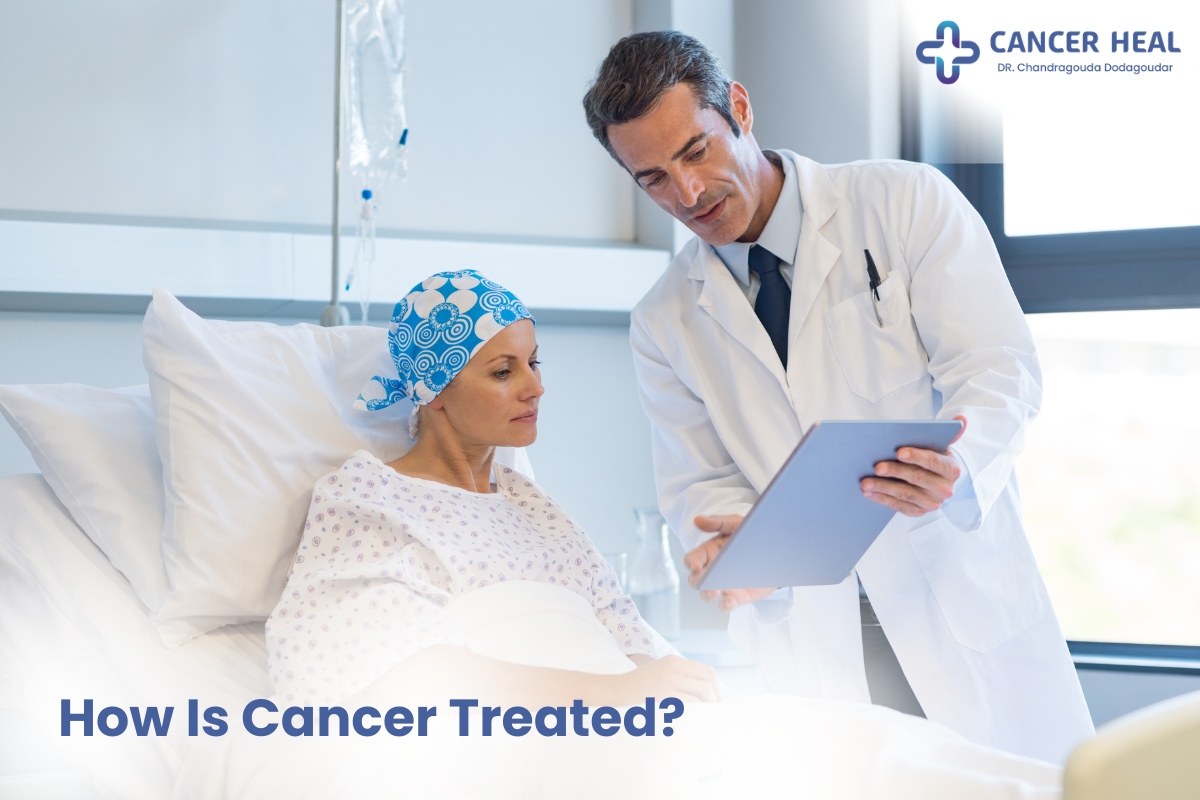
Hearing the word “cancer” can make anyone feel scared or uncertain. But the truth is, cancer treatment today is far more advanced and hopeful than it was just a few decades ago. Doctors now have many ways to treat it — often combining several methods to help patients live longer and better.
Let’s explore the main treatments used for cancer and how each one works.
1. Surgery – Removing the tumor
Surgery is one of the oldest and most effective treatments for cancer. If the cancer is in one area and hasn’t spread, doctors can often remove the tumor through an operation.
The goal is simple: take out the cancer and a small bit of healthy tissue around it to make sure no cancer cells are left behind.
Sometimes, surgery is the first step toward a cure. In other cases, it helps relieve symptoms — for example, removing a tumor that’s blocking the intestine or pressing on nerves.
2. Radiation Therapy – Targeting cancer cells with energy
Radiation therapy uses high-energy rays (like X-rays) to destroy or shrink cancer cells. It can be done from outside the body (using a large machine) or inside the body (placing small radioactive materials near the tumor).
Radiation might be used before surgery to shrink a tumor, after surgery to kill any leftover cells, or even alone if surgery isn’t possible.
The side effects — such as tiredness or skin irritation — depend on the area being treated, but they usually fade after treatment ends.
3. Chemotherapy – Treating the whole body
When people think of cancer treatment, chemotherapy is often what comes to mind. Chemo uses strong medicines that travel through the bloodstream to reach cancer cells almost anywhere in the body.
It’s especially useful when cancer has spread.
However, since chemo also affects healthy cells that grow quickly (like hair and gut cells), it can cause temporary side effects such as hair loss, nausea, or fatigue. The good news is that today’s medicines help manage these symptoms much better than before.
4. Targeted Therapy – A smarter way to fight cancer
Not all cancers are the same. Each tumor has its own “blueprint,” made up of genes and proteins. Targeted therapy uses drugs that specifically attack the weak spots in cancer cells while leaving most healthy cells alone.
Doctors use genetic tests to find out which treatments might work best for a particular cancer. This personalized approach — often called precision medicine — is changing how cancer is treated all over the world.
5. Immunotherapy – Helping your immune system fight back
Your immune system is your body’s defense army. Sometimes, cancer cells trick it into ignoring them. Immunotherapy wakes up your immune system so it can recognize and attack those cells.
This type of treatment has been a game changer for some cancers, like melanoma and lung cancer.
It doesn’t work for everyone, and it can cause side effects if the immune system becomes too active, but many patients have seen long-lasting results that once seemed impossible.
6. Hormone Therapy and Other Special Treatments
Some cancers — like breast and prostate cancer — grow in response to hormones. Hormone therapy blocks or lowers those hormones, helping slow or stop the cancer’s growth.
There are also other specialized treatments such as:
-
Photodynamic therapy, which uses light to destroy cancer cells.
-
Hyperthermia, which uses heat to kill them.
-
Stem-cell (bone marrow) transplants, which restore healthy blood cells after high-dose chemo or radiation.
7. Palliative Care – Focusing on comfort and quality of life
Palliative care isn’t about giving up. It’s about living well while fighting cancer.
It helps manage pain, nausea, fatigue, and emotional stress. Many patients receive palliative care alongside their cancer treatments. Studies show it not only improves comfort but can also help people tolerate other treatments better.
It’s a reminder that cancer care isn’t just about the disease — it’s about the person.
8. Teamwork and Combination Therapy
Cancer treatment isn’t handled by one doctor alone. It takes a whole team — surgeons, oncologists, nurses, dietitians, counselors, and more.
Often, treatments are combined: for example, surgery plus chemotherapy, or radiation plus immunotherapy. This teamwork gives patients the best possible chance of recovery.
Clinical trials — where new drugs and methods are tested — also give patients early access to promising treatments that could become tomorrow’s breakthroughs.
9. Managing Side Effects and Emotional Health
Fighting cancer can be tough, not only physically but also mentally. Modern medicine focuses just as much on supporting patients as on attacking the disease.
There are now excellent medicines to control nausea, ease pain, and reduce fatigue. Emotional support, good nutrition, light exercise, and mental health counseling all play a vital role in recovery.
Family, friends, and support groups can make an enormous difference too.
A Message of Hope
Cancer treatment has changed dramatically. What used to be a feared diagnosis is now, for many, a treatable or even curable condition.
With advances in immunotherapy, targeted drugs, and precision medicine, doctors can design plans that are more effective and less harsh than ever before.
The best treatment depends on the type and stage of cancer, your overall health, and — most importantly — your personal goals.
So if you or someone you love is facing cancer, remember this: you’re not alone, and there’s more hope today than ever.
Read More: Best Radiation Oncologist in Delhi/NCR
