



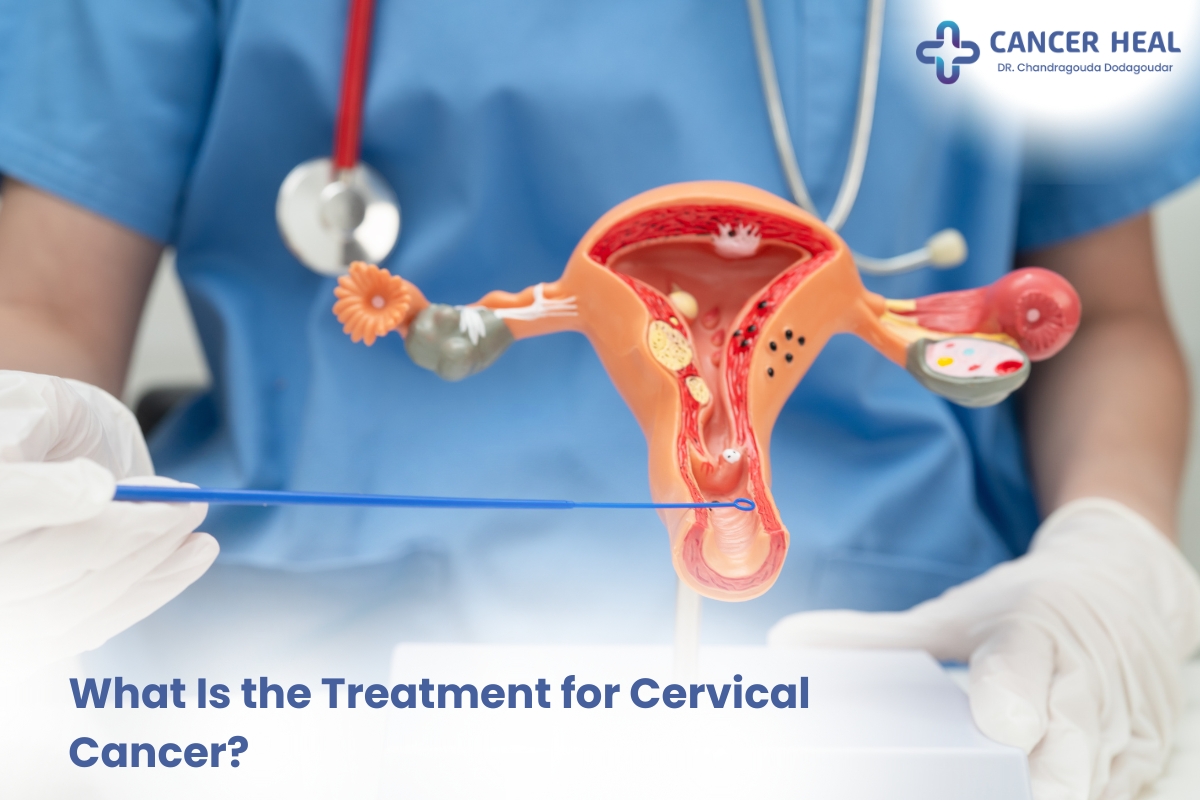
A Compassionate, Science-Backed Guide
Facing a cervical cancer diagnosis can be overwhelming. But the good news is — there are effective treatments, and many people go on to live full lives. The right treatment depends on the cancer’s stage, your overall health, and your personal goals (like whether you want to have children).
Here’s a breakdown of the common treatments, how they work, and what you can expect emotionally and practically.
How Do Doctors Decide on Treatment?
Your cancer care team (gynecologic oncologists, radiation oncologists, medical oncologists) will design a personalized plan for you. According to the National Cancer Institute, this plan considers:
-
the stage of cancer
-
your general health
-
what matters most to you (like preserving fertility)
Main Treatment Options for Cervical Cancer
Here are the main ways cervical cancer is treated, from traditional to newer therapies:
A. Surgery
-
Cone biopsy / Conization: A cone-shaped piece of cervix is removed. This can sometimes remove very small early cancers entirely.
-
Radical trachelectomy: The cervix is removed, but the uterus is preserved — a fertility-sparing option for some early-stage patients.
-
Radical hysterectomy: The cervix, uterus (and possibly nearby tissues) are removed; usually used when you don’t need to preserve fertility.
Surgery is often recommended when cancer is detected early.
B. Radiation Therapy
Radiation uses high-energy rays to kill cancer cells. It’s a cornerstone of treatment, especially for cancers that have grown beyond the cervix.
-
External-beam radiation therapy (EBRT): Radiation is delivered from a machine outside the body.
-
Brachytherapy: Radioactive material is placed inside the body (near the tumor) for a short time, delivering powerful, localized radiation.
Often, radiation is combined with chemotherapy to make it more effective — a method called concurrent chemoradiation.
C. Chemotherapy
Chemotherapy uses drugs to kill fast-growing cancer cells or stop them from dividing.
-
In early stages, chemo may be used with radiation.
-
In advanced or recurrent cancer, stronger or different chemo regimens may be used.
-
Common chemo drugs include cisplatin, carboplatin, paclitaxel, and more.
D. Targeted Therapy
These are newer drugs that zero in on specific pathways in cancer cells.
-
Example: Bevacizumab — a drug that inhibits blood vessel growth in tumors.
-
Another: Tisotumab vedotin, an antibody-drug conjugate approved for some cervical cancers.
E. Immunotherapy
Immunotherapy helps your immune system recognize and fight cancer cells.
-
A key drug in cervical cancer is pembrolizumab, especially in advanced cases.
-
This option depends on specific biomarkers on your cancer, so your medical team will test for that.
F. Palliative Care
Even if the cancer is advanced, palliative care plays a vital role. It’s about improving your quality of life:
-
Managing pain
-
Reducing symptoms
-
Supporting emotional, social, and spiritual needs.
Newer Advances & Hopeful Research
There’s promising news, too:
-
According to WHO, when cervical cancer is detected early, survival rates can be very high with quality treatment.
-
New treatment approaches are being studied to improve survival even further.
What Patients Experience: The Human Side
-
Treatment isn’t just medical: it’s emotional, physical, and life-altering.
-
Some young women worry about fertility; others are afraid of side effects.
-
Difficult moments are part of the journey — but many people finish treatment and return to their normal lives.
-
A strong support network (family, friends, care team) can make a big difference in how you cope.
Making a Treatment Decision: What to Ask Your Doctor
Here are some questions you might want to discuss with your care team:
-
What stage is my cervical cancer, and what does that mean for my treatment?
-
Can I have a fertility-preserving surgery?
-
What are the risks and side effects of radiation, chemo, or other treatments?
-
Should I consider joining a clinical trial?
-
How will treatment affect my daily life and recovery?
Final Thoughts: Strength, Science & Support
Cervical cancer treatment has come a long way. With the right care plan, many people achieve long-term remission, and even those with advanced disease have effective options.
You are not alone. With a dedicated medical team, clear information, and emotional support, you can face treatment with confidence and hope.
