



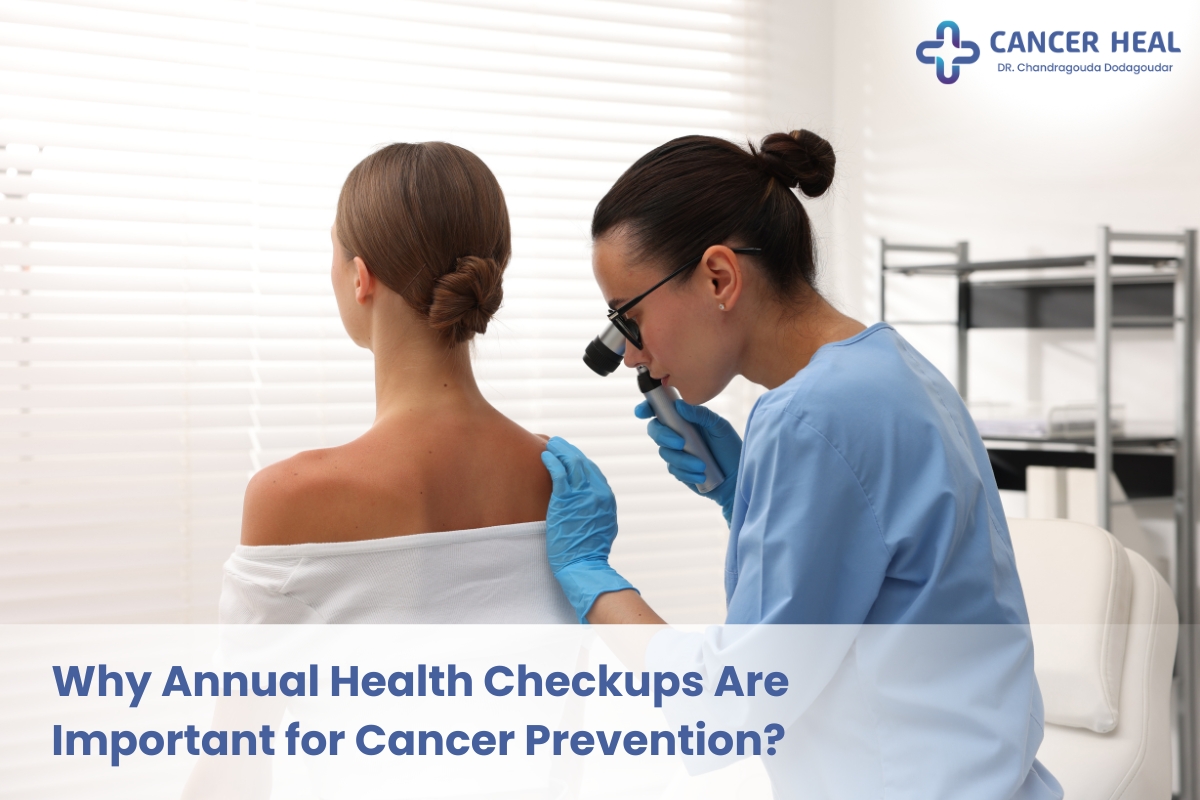
Life gets busy. Work, family, studies, routines — everything feels more urgent than going for a health checkup. Many people think, “I feel fine, why should I get tested?”
But here’s the truth most of us don’t talk about:
Cancer doesn’t always show early symptoms.
Most cancers grow quietly in the body for months or even years before any visible signs appear.
This is exactly why annual checkups matter.
They are not just for people who are unwell — they are for people who want to stay well.
1. Early detection saves lives
When cancer is found in the early stage, treatment is simpler, success rates are higher, and survival chances are much better.
For example:
-
Breast cancer found early can often be treated without removing the whole breast.
-
Colon cancer caught early may only require small surgery instead of long treatments.
-
Cervical cancer can take years to develop — early screening can stop it before it even starts.
Annual checkups offer tests like scans, blood work, physical exams, and screenings. These tests act like a spotlight on hidden problems.
2. Checkups help catch cancer risk, not just cancer
One powerful benefit of yearly checkups is prevention.
Doctors can identify risk factors such as:
-
unusual lumps
-
genetic risks
-
abnormal cells
-
chronic inflammation
-
unhealthy lifestyle patterns
-
hormone imbalance
Sometimes cancer doesn’t begin suddenly — it grows from smaller warning signs. Detecting those signs early gives you time to take action.
3. Peace of mind matters
Health anxiety is real.
Sometimes fear is not about sickness — it’s about not knowing.
An annual checkup gives reassurance.
It tells you what’s going well inside your body and what needs attention.
That peace of mind alone is worth it.
4. Lifestyle guidance
Doctors can gently guide you in areas like:
-
diet
-
weight
-
sleep
-
physical activity
-
stress
-
smoking or alcohol habits
Most cancers are linked not only to genes, but to lifestyle.
A small change made at the right time could prevent something big later.
5. Screening based on age and gender
Different cancers need different tests.
For example:
-
Women may need breast exams and cervical screening
-
Men above 50 may need prostate screening
-
Adults may need colon cancer screening
-
Smokers may need lung scans
-
People with family history may need genetic tests
Annual checkups help doctors decide what tests are important for you, not just the general population.
6. It’s not just about cancer
These checkups also detect other health problems like diabetes, thyroid issues, heart disease, vitamin deficiencies, kidney problems, and more.
Many health conditions are connected — fixing one problem can lower the risk of cancer too.
Read More: How Early Detection Improves Cancer Survival Rates?
Why people avoid checkups?
Most people avoid yearly tests because:
-
They feel healthy
-
They fear bad results
-
They think it’s unnecessary
-
They are busy
-
They worry about cost
But one hospital visit a year can prevent months of treatment.
One blood test can prevent pain.
One screening can save a life.
Our bodies speak — but annual checkups help us listen.
What to ask during your annual checkup?
Here are good questions to take with you:
-
Do I need any cancer screening based on my age?
-
Are my blood reports normal?
-
Is my weight in a healthy range?
-
Do I need a scan for lumps or pain?
-
What can I do to reduce cancer risk?
Asking questions is a sign of strength, not fear.
Conclusion
Cancer is not always preventable — but early detection gives you the strongest chance of protection.
Annual health checkups are a gift to your future self.
They are a reminder that:
Your health is worth your time.
Your body deserves attention.
Your life is valuable.
If you’ve been delaying your checkup, consider this your gentle nudge.
One appointment a year can make all the difference.
